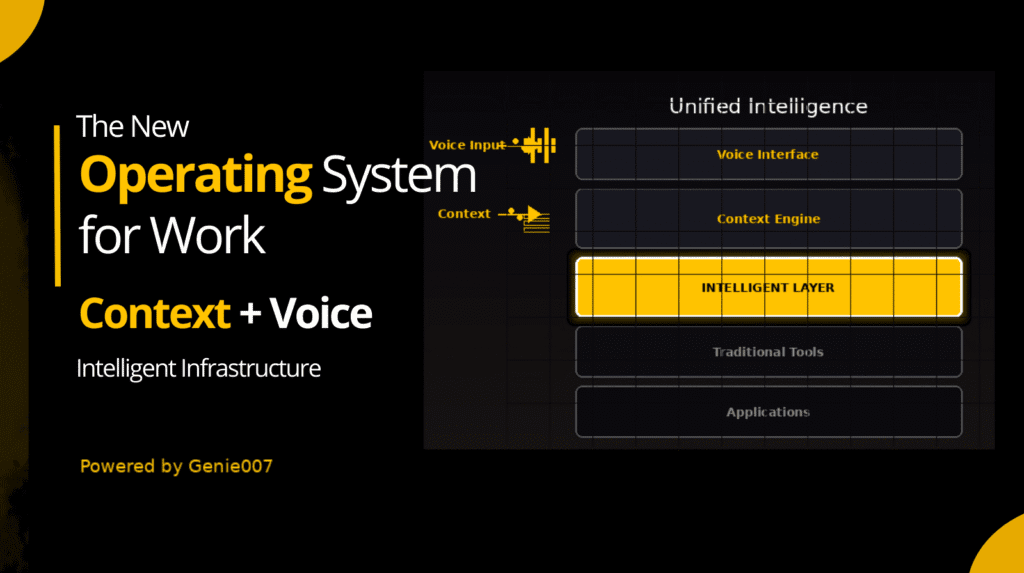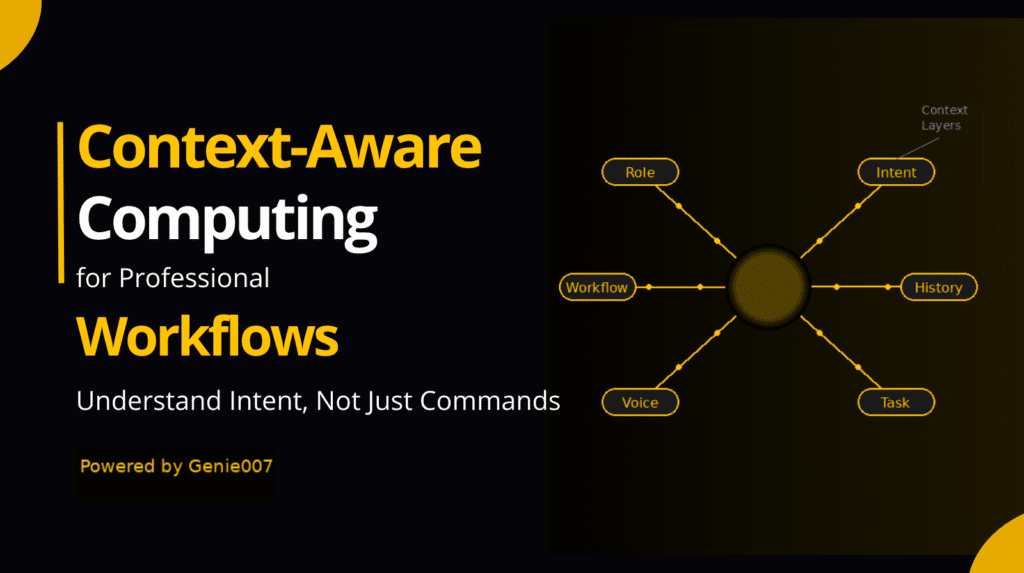

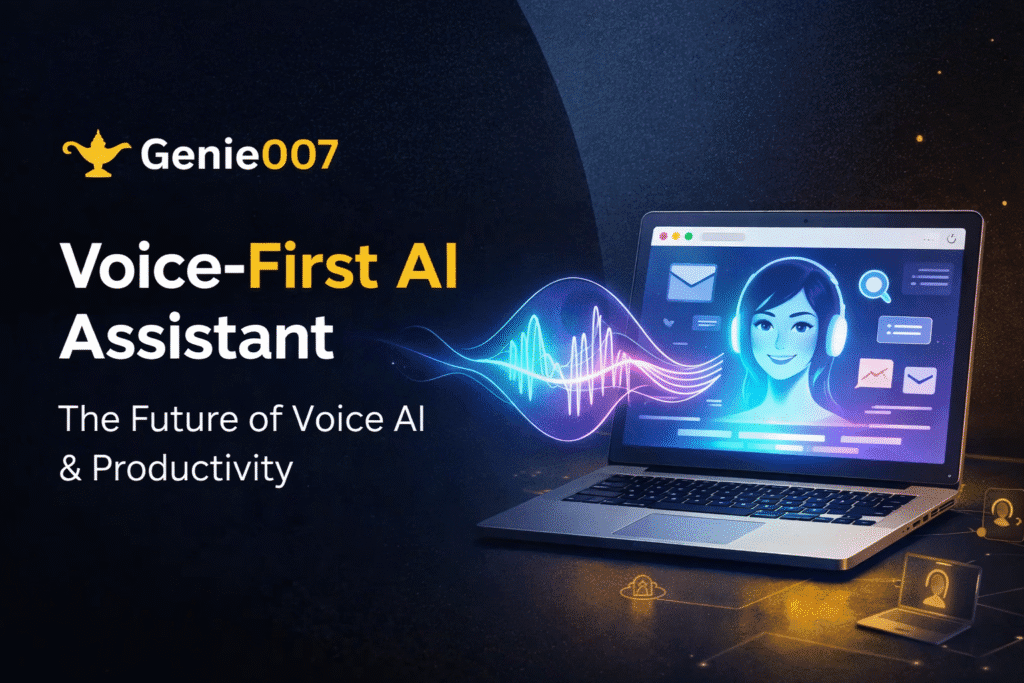
A voice-first AI assistant is an artificial intelligence system designed to prioritize voice as the primary method of interaction, rather than typing or clicking.
Unlike traditional AI tools where voice is an optional feature, a voice-first assistant is built from the ground up to:
- Listen first
- Understand spoken intent
- Respond intelligently
- Perform actions without requiring typed commands
In simple terms:
You speak naturally, and the AI understands what you want, without needing prompts, syntax, or manual input.
Voice-first AI assistants are designed to feel less like software and more like a digital assistant that listens and responds.
Voice-First AI vs Traditional AI Assistants
Many people confuse voice-first AI with:
- Speech-to-text tools
- Dictation software
- Chatbots with microphone access
But these are not the same.
Traditional AI Assistants
- Require typing prompts
- Voice input is optional or secondary
- Often need structured commands
- Focus on text conversations
Voice-First AI Assistants
- Voice is the default interaction
- Understand natural language
- Focus on intent, not commands
- Designed for real-world tasks
- Reduce cognitive and physical effort
A voice-first assistant doesn’t wait for you to type the perfect prompt. It understands context, tone, and purpose from your voice.
Why Voice-First AI Matters More Than Ever
1. Humans Speak Faster Than They Type
On average:
- Humans type: 40–60 words per minute
- Humans speak: 130–160 words per minute
Voice instantly removes friction and speeds up workflows.
2. Voice Is Natural
Humans evolved to speak long before writing existed. Voice communication feels intuitive, expressive, and efficient.
3. Productivity Demands Are Increasing
Modern work requires:
- Faster communication
- Multitasking
- Constant content creation
Typing slows everything down. Voice accelerates it.
4. Accessibility & Inclusion
Voice-first AI empowers:
- People with RSI or hand pain
- Users with disabilities
- Non-native English speakers
- Busy professionals
Voice removes physical and language barriers.
Key Characteristics of a Voice-First AI Assistant
A true voice-first AI assistant includes:
✔ Voice as the Primary Interface
Not an add-on. Not optional. Voice is the main way users interact.
✔ Intent Understanding
The assistant understands what you want to achieve, not just the words you say.
✔ Hands-Free Operation
No typing, no copy-paste, no switching between apps.
✔ Context Awareness
The assistant adapts responses based on where and how it’s being used.
✔ Speed & Efficiency
Immediate action, faster results, fewer steps.
Real-World Use Cases of Voice-First AI Assistants
📧 Writing Emails
Users can speak:
“Reply professionally and politely to this email.”
The AI generates a complete, well-written response instantly.
📱 Social Media Content
Voice-first AI can create:
- Posts
- Captions
- Comments
- Replies
All without typing.
🧑💻 Daily Work Tasks
- Drafting documents
- Writing reports
- Creating blog content
- Answering messages
Voice-first AI turns ideas into output instantly.
🌍 Multilingual Communication
Users can speak in one language and generate content in another, breaking language barriers.
Voice-First AI Is Not Just Smart, It’s Human-Centric
Traditional AI tools force humans to adapt to machines.
Voice-first AI flips this model.
Instead of:
“Learn how to talk to AI”
It becomes:
“AI learns how humans talk.”
This is why voice-first AI feels more natural, less technical, and more human.
Voice-First AI and the Future of Browsers
Browsers are where most work happens:
- Emails
- Social media
- Content creation
- Business tools
Voice-first AI inside the browser removes the need to:
- Switch tabs
- Copy and paste
- Open separate AI apps
The browser becomes interactive, responsive, and intelligent.
This shift is already happening, and it’s accelerating.
Why Voice-First AI Will Replace Prompt-Based AI
Prompt-based AI assumes:
- Users know how to write prompts
- Users understand AI limitations
- Users want to experiment
But most people don’t.
Voice-first AI:
- Requires no prompt engineering
- Works instantly
- Feels intuitive
As AI adoption grows, simplicity wins. Voice-first AI removes the learning curve.
Is Voice-First AI the Future?
All signals point to yes.
- Voice assistants are becoming smarter
- AI models understand speech better
- Hardware supports microphones everywhere
- Users demand speed and ease
Voice-first AI isn’t a trend, it’s a natural evolution.
Final Thoughts
A voice-first AI assistant represents a new era of human-AI interaction, one where technology listens first and works the way humans naturally communicate.
As typing becomes a bottleneck and productivity demands increase, voice-first AI will become the standard, not the exception.
The future of AI isn’t about better prompts.
It’s about better conversations.